.png)
Deploying upwards of $1 million for a residential asset in Central Texas requires an analytical assessment of capital efficiency, risk exposure, and asset preservation. High-net-worth buyers frequently confront a critical market question: does the multi-year commitment, regulatory oversight, and management friction of a custom project yield a superior asset? Evaluating whether building a custom home is worth it requires looking past surface-level aesthetics to analyze long-term equity capture, site-specific engineering durability, and the mitigation of immediate capital expenditures (CapEx).
When executed through an integrated design-build protocol that matches architectural concepts to the unique terrain of the Texas Hill Country, building a custom home provides a distinct advantage in asset value and structural performance. This guide delivers a rigorous financial and engineering analysis to help property owners determine if a custom build aligns with their wealth preservation and lifestyle goals.
Acquiring an existing luxury estate in premium corridors like Boerne or Cordillera Ranch often forces buyers to pay an inflation premium that includes the previous owner's subjective design choices. A customized build allows investors to bypass this secondary market markup, optimizing their cost-basis by directly controlling the site procurement, architectural engineering, and material selection phases.
Building a custom estate allows for immediate equity capture upon project completion, frequently generating a 15% to 25% valuation premium over the total cost of construction. This equity cushion represents a significant financial advantage over purchasing existing homes, where buyers inherit immediate depreciation on aging finishes and mechanical infrastructure.
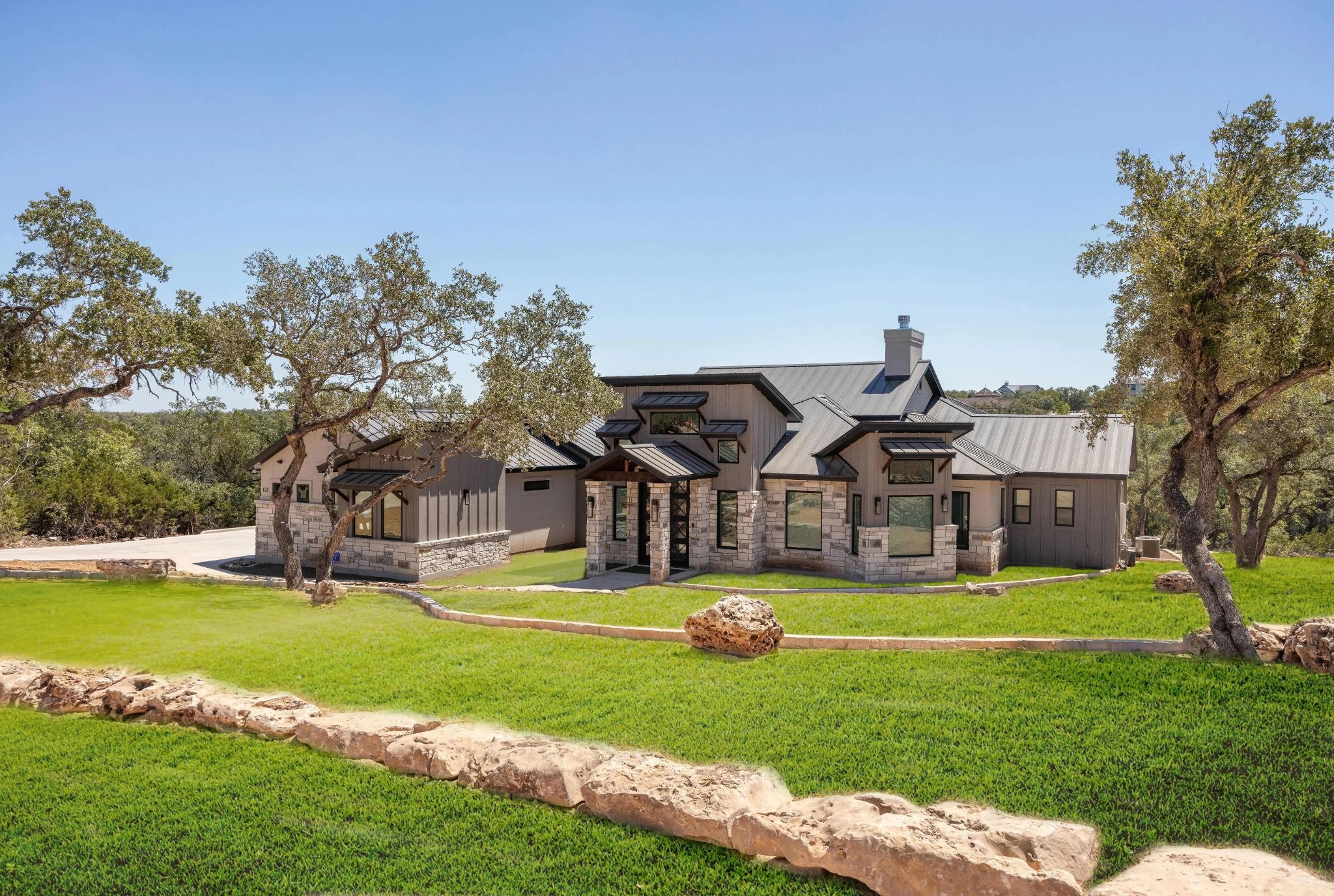
The geological composition of Central Texas presents extreme physical stresses that standard production build specifications fail to address. To understand why building a custom home is worth it from an asset preservation standpoint, you must analyze how site-specific civil engineering shields a home from foundation movement and premature structural failure.
The soil profile across San Antonio, New Braunfels, and Bulverde contains high concentrations of active caliche clay layers characterized by a high Plasticity Index (PI). These soils expand and contract violently based on seasonal moisture shifts, exerting thousands of pounds of upward and lateral pressure against concrete foundations.
Building on premium sloped lots across Canyon Lake or Marble Falls offers exceptional views but requires sophisticated water management and site preparation strategies.
Property owners often look at luxury production models as a shortcut to save time. However, evaluating the lifecycle performance of a home reveals that production-grade materials and hurried construction schedules create systemic long-term financial liabilities.
The extreme heat profiles of Central Texas require an advanced building envelope to manage energy costs and protect interior finishes over time.
Custom home building processes prioritize the integration of advanced smart infrastructure and mechanical engineering right from the schematic phase.
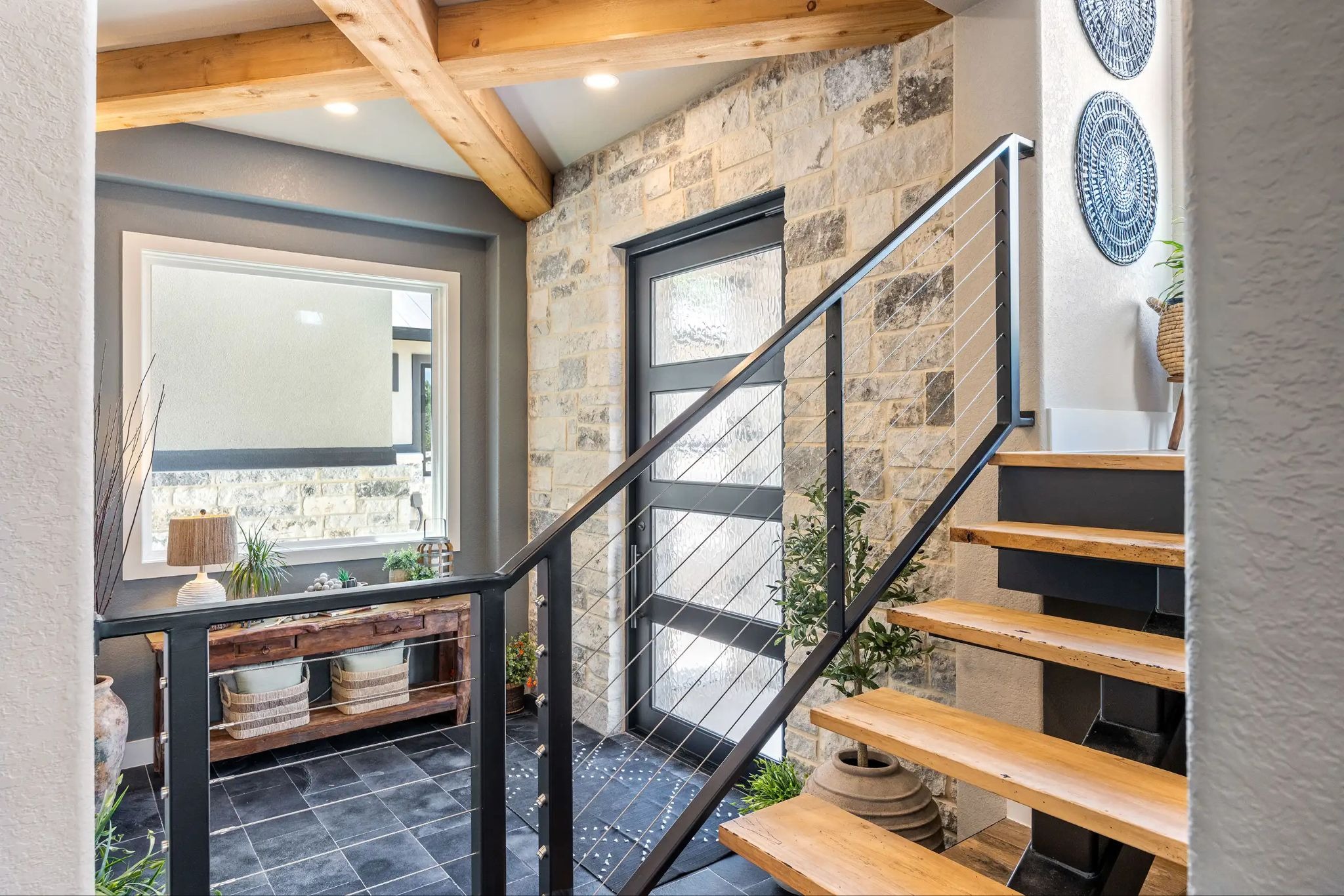
Managing a luxury build requires a structured approach to risk management, material tracking, and municipal permitting schedules to keep your project moving forward smoothly.
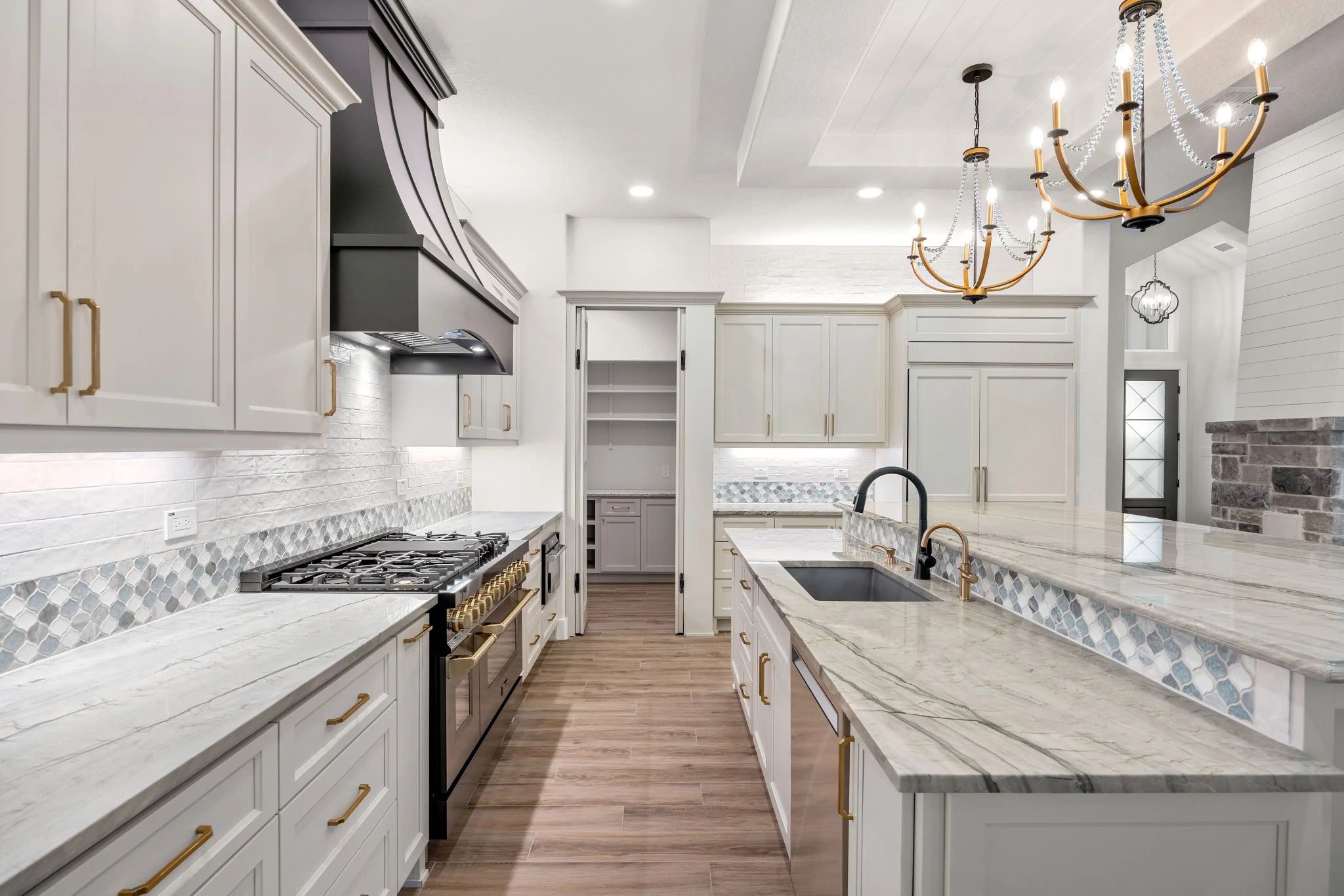
The true value of a custom project lies in its ability to adapt completely to your long-term wealth preservation and family lifestyle goals. An existing inventory home represents someone else's compromise; a custom estate is a purpose-built structure engineered specifically for your family's future.
Whether you prioritize configuring an expansive multi-generational floor plan, integrating high-security private wings, or building a dedicated detached automotive gallery, the custom design process accommodates every requirement with precision. By selecting building materials known for their longevity—such as thick native limestone veneers, standing-seam steel roofs, and commercial-grade structural steel frameworks—you create an estate designed to last for generations.
KC Custom Homes provides the technical structure, local experience, and transparent project management required to execute these complex builds. Our team coordinates land analysis, structural civil engineering, and master craftsmanship into a single integrated process, ensuring your design vision remains aligned with your target budget from day one. By managing site risks early and focusing on engineering precision, we deliver a premium asset that provides immediate equity and long-term durability.
As one of Central Texas’ most reliable custom home builders, KC Custom Homes proudly serves San Antonio, New Braunfels, Boerne, Spring Branch, Bulverde, Dripping Springs, Canyon Lake, and Marble Falls. If you are ready to begin the conversation about your specific lot and vision, we encourage you to reach out directly through our Contact Page to schedule a site consultation.
To request a free quote, please fill the form below. Let us know what features you’re looking for in your next home and our experienced team will contact you shortly.